10/19/2026
Aluminum and steel outdoor furniture can look very similar in a product photo. Once you begin comparing structure, finish, pricing, packaging, and market positioning, however, the differences become much more important.
If you are sourcing patio furniture for wholesale, retail, hospitality, or e-commerce, the better question is not:
"Which material is better?”
It is:
"Which material fits the product and market I am trying to build?”
Both aluminum and steel can work well in outdoor furniture. Your decision should depend on the final product, your target market, your budget, and how much customization you need.
HF Patios currently focuses mainly on aluminum outdoor furniture, but material recommendations can still be discussed according to your project. If steel is more suitable for your target positioning, that option can also be evaluated.
The final choice remains yours.
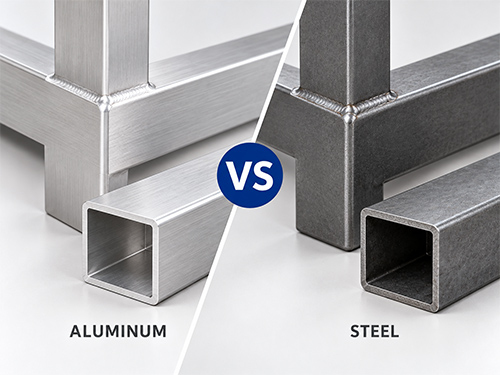
Material selection should begin with what you want the furniture to achieve.
Before deciding between aluminum and steel, ask:
The answer may be different for every project.
For example, a residential dining set may be selected primarily around appearance, comfort, and price positioning.
A hospitality project may put more emphasis on maintenance, consistency, and product configuration.
An e-commerce program may also need to consider assembly and carton size.
This is why material should not be selected in isolation.
It needs to fit the rest of your product strategy.
Aluminum and steel are both widely used in outdoor furniture frames, but their material characteristics are different.
Aluminum Outdoor Furniture
Aluminum does not rust in the same way as conventional steel, which makes it widely used in outdoor furniture.
It is commonly found in products such as: outdoor dining chairs, dining tables, dining sets, sun loungers and outdoor sofa frames.
The final performance still depends on the frame structure, surface treatment, joints, dimensions, and manufacturing quality.
Steel Outdoor Furniture
Steel is also commonly used for furniture frames and can provide different structural and cost options depending on the design.
Because steel can corrode if it is not adequately protected, the surface treatment becomes especially important for outdoor use.
A steel product should therefore be evaluated together with:
Neither material should be judged only by its name. You should always look at the finished furniture specification.
When you compare aluminum and steel furniture, the frame material is only one part of the product.
Surface treatment also affects appearance, color, finish consistency, suitability for outdoor use and maintenance.
HF Patios can discuss different metal surface finishing options according to your project requirements.
This is especially useful when you are developing a coordinated collection.
You may want:
The important point is that the finish should work with the material and product structure rather than being treated as decoration added at the end.
If you are comparing two suppliers, ask for information about both the frame material and the surface finish.
A simple description such as "metal outdoor chair” does not give you enough information to make a meaningful comparison.
It is tempting to compare furniture by tube thickness or frame material alone.
That can be misleading.
Furniture performance is also affected by: tube profile, frame geometry, welding, support points, leg structure, seat construction, connection method and overall dimensions.
A well-designed structure uses the material appropriately.
If you change a product from steel to aluminum, or from aluminum to steel, you should not automatically copy the same frame specification.
The material change may influence: tube selection, joints, frame proportions, packaging, manufacturing method and cost.
This becomes especially important when you are customizing a product.
HF Patios has an in-house R&D team that can help you evaluate structural adjustments rather than treating the frame as a fixed component.
Material selection also needs to make commercial sense.
You may be developing:
These products do not necessarily need the same frame solution.
Your target price can influence the most suitable combination of material and structure
Finish, fabric, cushion, and packaging.
This does not mean choosing the cheapest material. It means choosing a product configuration that fits the market position you want to achieve.
HF Patios can recommend aluminum or steel options according to your target market and price expectations.
The recommendation is intended to help you compare possibilities—not to force you into one material.
You make the final decision based on your own product strategy.
For many buyers, the real differentiation between two patio furniture collections does not come from the frame material alone.
It comes from how the complete product is configured.
With HF Patios, you can discuss customization of: dimensions, frame structures, surface finishes, Pantone colors, fabrics, cushions, logos, cartons and instruction manuals.
This also gives you flexibility when building a coordinated product range.
For example, you may keep a proven aluminum frame but create different market versions through: frame color, fabric choice, cushion style, tabletop combination, sofa configuration, packaging and branding.
This can help you build several distinct products without redesigning every component from zero.
For HF Patios, this flexibility is more important than promoting aluminum simply because of one material characteristic. The goal is to help you create a combination that fits your market.
If you are sourcing more than one item, material selection should also consider how the products work together.
You may be building a range that includes:
Instead of selecting each product independently, you can look at the collection as a whole.
Ask:
This is where customization and flexible product combinations become valuable.
You are not only choosing between aluminum and steel.
You are deciding how the entire outdoor collection should look and function.
HF Patios can help you evaluate those combinations according to your target market.
Material choice can also influence the final packaging solution. For suitable products, KD—or knock-down—construction may help improve packaging efficiency. The material itself does not determine whether a good KD solution is possible. The frame design does.
If you are comparing different material versions of the same product concept, ask your supplier to evaluate the complete package rather than giving you only a unit price.
HF Patios can provide package dimension information based on your own proposed KD solution, so you can evaluate the logistics impact before finalizing the product.
The best material direction may change according to the type of furniture you are developing.
Outdoor Dining Sets
For dining furniture, you may need to balance: appearance, stability, table size, chair structure, finish, packaging and target price.
A coordinated aluminum collection may work well when you want consistent finishes across several dining products.
Sun Loungers
For sun loungers, you may pay more attention to: adjustable structure, fabric
frame design, storage and packaging.
The frame material should be evaluated together with these functional requirements.
Metal Outdoor Sofas
For sofa sets, the structure is only part of the final product.
You should also consider: modular combinations, cushion design, fabric
Color, frame finish and packaging.
This category often gives you more room to create different combinations for different markets.
Before you ask whether aluminum or steel is better, give your supplier enough information to understand your project.
Useful details include:
If you already have a drawing, reference image, or existing product, send it as well.
You do not need to decide every technical detail before starting the discussion.
A good manufacturer should help you turn your commercial requirements into a workable product specification.
Q: Is aluminum better than steel for outdoor furniture?
Not in every case. Aluminum and steel have different material characteristics. You should choose based on the product design, target market, price position, finish, and intended application.
Q: Does steel outdoor furniture need surface protection?
Yes, conventional steel requires suitable protection for outdoor use. The finish, construction, and intended environment should all be considered when evaluating steel furniture.
Q: Does HF Patios mainly produce aluminum furniture?
Yes. HF Patios currently focuses mainly on aluminum outdoor furniture.
You can still discuss other material options when your target market or price positioning requires a different solution.
Q: Can you customize an aluminum outdoor furniture collection?
Yes. You can customize frame structures, dimensions, finishes, Pantone colors, fabrics, cushions, branding, packaging, and other product details.
Q: Will HF Patios recommend aluminum or steel for your project?
Yes, recommendations can be made based on your target market and price expectations.
The recommendation is for reference, and you make the final material choice.
If you are developing an outdoor dining set, sun lounger, metal sofa collection, or another patio furniture project, send HF Patios your product reference, target market, expected quantity, target price range, preferred style, customization requirements, and packaging needs.
You can contact the team through the Contact button in the website navigation bar or submit the inquiry form at the bottom of the website pages.
Instead of choosing aluminum or steel first, start with the product you want to build. The right material usually becomes clearer once the market, design, price, and customization requirements are defined.
Here are our other popular products. If you have any doubts, you can contact us via our contact form.
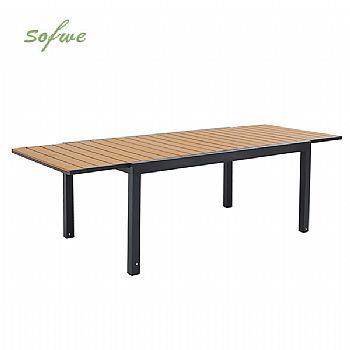
Wholesale Extendable WPC Patio Dining...
Warm wood texture, lighter outdoor maintenance, and more space when guests arrive—this extendable WPC patio dining table is built for outdoor dining...
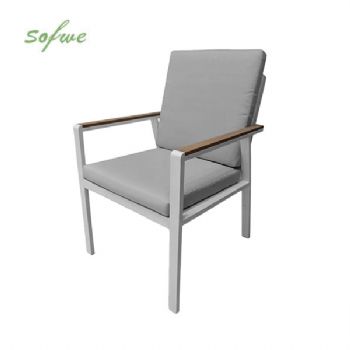
Learn more...Outdoor WPC Armrest Aluminum Alloy...
Model 11D27J is a clean, modern outdoor dining chair designed for projects that need a “bright, resort-ready” look without high maintenance. The crisp...
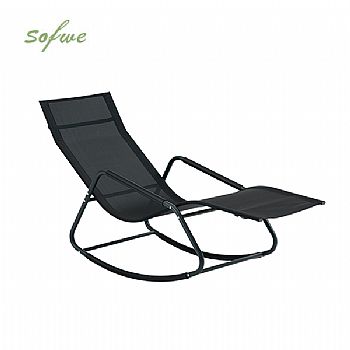
Learn more...Looking for a chair that is filled with fun and relaxation for your outdoor space? This rocking chair is the answer. Not only does this rocking chair...
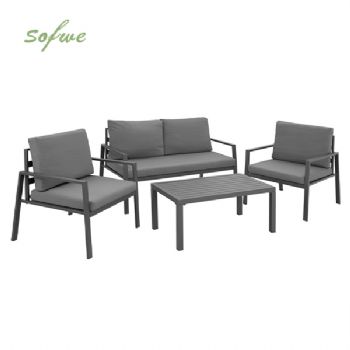
Learn more...Aluminum 4-seater Outdoor Terrace Sofa
The aluminum 4-seater outdoor terrace sofa is a high-quality outdoor furniture that features a sturdy stainless steel aluminum frame and waterproof...
Learn more...